
The North Carolina DMV offers a Spanish edition of its Driver’s Manual, featuring 420 detailed Q&A and full practice exams. It covers traffic signs, laws, and driving skills, helping Spanish speakers confidently prepare for the written test. It is available online and in print, for learners.
Getting Your Learner’s Permit
Applicants must also bring a completed Form DL‑1, a fee of $30 for the permit, and a valid photo ID. The DMV offers online scheduling to reduce wait times, and many offices provide bilingual support. Free practice exams on the official website mirror the real test, helping candidates identify weak areas. The manual stresses the importance of studying the traffic sign glossary and “Roadway Rules” sections, as these topics dominate the written exam. The manual also advises that learners practice defensive driving techniques and observe speed limits day.

Required Documents for the Permit Application
To obtain a learner’s permit in North Carolina, Spanish‑speaking applicants must present a set of documents that confirm identity, residency, and legal presence. The DMV requires the following items:
- Proof of Identity: A valid U.S. passport, birth certificate, or permanent resident card. The document must contain the applicant’s full name, date of birth, and photograph.
- Proof of Social Security Number: A Social Security card, W‑2, or pay stub that lists the full SSN. If the applicant does not have an SSN, a letter from the Social Security Administration explaining the reason must be submitted.
- Proof of North Carolina Residency: A utility bill, lease agreement, or bank statement dated within the last 60 days that shows the applicant’s name and residential address.
- Proof of Legal Presence (if not a U.S. citizen): A valid visa, green card, or other immigration document that verifies lawful status in the United States.
- Form DL‑1: The application form must be completed in Spanish, signed, and dated. The form is available for download on the DMV website or can be obtained at any DMV office.
- Fee Payment: A $30 permit fee paid by cash, check, or credit card. The fee is non‑refundable and must be paid at the time of application.
Applicants should double‑check that all documents are current and legible. The DMV may request additional documentation if any information is incomplete or unclear. Bringing photocopies of each item is recommended, as the originals are retained for verification. Spanish‑language assistance is available at most DMV locations, and the DMV website offers downloadable Spanish instructions for each required document.
For minors under 18, a parent or legal guardian must also provide a signed consent form. The guardian’s ID and proof of relationship (birth certificate or adoption decree) should be presented. The guardian’s signature confirms that they have supervised the applicant’s driving practice.
All documents should be presented in their original form. Photocopies are acceptable only for the DMV’s internal records; the originals are required for verification. If a document is missing a required signature or is expired, the applicant will be asked to provide a replacement before the permit can be issued.
Applicants are encouraged to schedule an appointment online to reduce waiting periods. The DMV’s online portal allows users to select a convenient date and time, view real‑time wait times, and receive confirmation via email. If an appointment is not possible, applicants can visit a DMV office during business hours; however, they should arrive early to allow time for document verification and the written test.
Study Guide for the Written Knowledge Test
The Spanish Driver’s Manual includes 420 Q&A and 100 practice questions that match the official exam. Topics cover traffic signs, roadway rules, safe driving, and special situations; Each section offers concise explanations, images, and key points in bold.
Download the PDF or use the DMV mobile app for flashcards and timed quizzes. The app tracks progress and highlights weak areas. A quick‑review chapter summarizes the most tested concepts for last‑minute study.
Study tips: read questions aloud, write the answer, then review the explanation. This active method reinforces memory and improves scores. The guide also repeats common pitfalls to avoid on the written test.
Before taking the test, review the official practice test available on the DMV website. It contains 25 sample questions that reflect the difficulty level of the actual exam. Use the online calculator to estimate your score and identify areas that need improvement. If you score below 70%, focus on the sections with the lowest percentages. The manual’s “quick‑review” section can be printed and carried in your pocket for on‑the‑go study sessions. These workshops provide hands‑on practice with a licensed instructor and allow you to ask specific questions about the test format. After you feel confident, schedule your written test online or at a local DMV office. Remember to bring all required documents and a copy of the study guide for reference during the exam
Common Traffic Sign Explanations
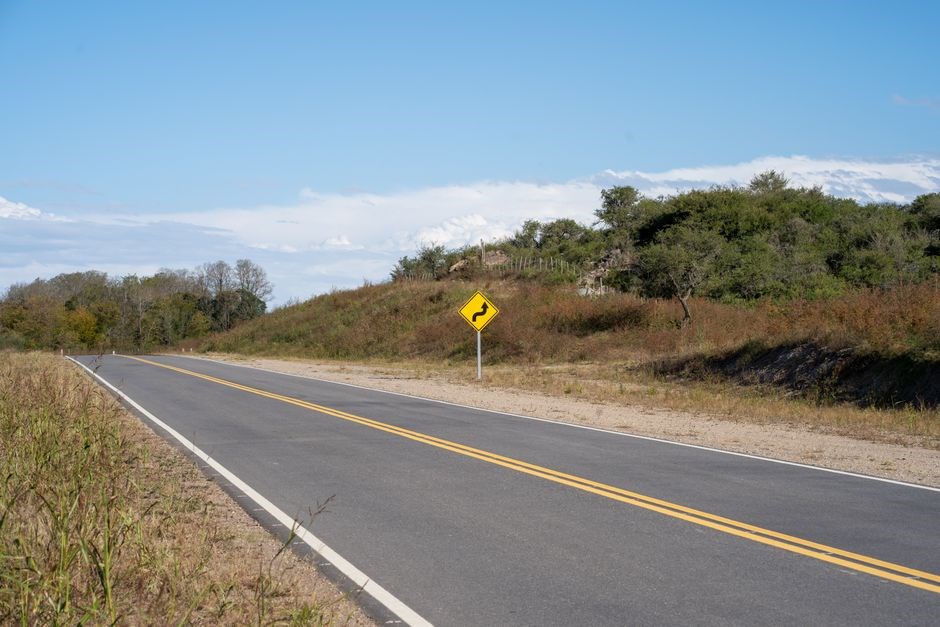
In North Carolina, traffic signs are divided into regulatory, warning, guide, and informational categories. Regulatory signs enforce rules: the red octagon “STOP” demands a full stop at the intersection; the red circle “NO ENTRY” prohibits vehicles from entering a lane; the yellow diamond “SLOW” signals to reduce speed to 35 mph or less. Warning signs alert to hazards: the yellow triangle with an exclamation mark warns of a sharp bend; the white triangle with a black arrow indicates a one‑way street ahead; the orange diamond with a deer symbol warns of wildlife crossings. Guide signs direct traffic: the green “EXIT” arrow shows the next freeway exit; the blue “DESTINATION” sign lists the distance to the next city; the white “ROADWORK” sign indicates construction ahead. Informational signs provide useful data: the blue “SCHOOL ZONE” sign displays the speed limit during school hours; the green “PARKING” sign shows where parking is allowed; the yellow “NO PARKING” sign indicates prohibited areas. Each sign uses a standardized color scheme and shape to convey meaning quickly, ensuring drivers can react safely and efficiently. Drivers should memorize each sign’s shape and color, as they often appear in quick succession on highways, especially during night or inclement weather, where visibility is reduced. Regular review of manual’s examples helps reinforce recognition.!! Practice identifying each sign in real traffic scenarios to build confidence now
Roadway Rules and Regulations
North Carolina’s roadway rules are designed to promote safety and order. Drivers must keep a safe following distance, usually a minimum of one second per 10 mph, and adjust for weather or traffic. The “right‑of‑way” rules state that at uncontrolled intersections the vehicle on the right has priority, unless a sign or signal indicates otherwise. When turning, drivers must use the appropriate turn lane and signal at least 100 ft before the turn. The state enforces a 0.08% blood alcohol concentration limit for all drivers, with stricter limits for commercial and learner drivers. Speed limits vary: 55 mph on rural interstates, 45 mph on urban interstates, and 35 mph in school zones during school hours. Lane usage is regulated; passing is prohibited on the left side of a solid yellow line and on the right side of a broken yellow line. Headlights must be on from sunset to sunrise and during any weather that reduces visibility. The manual also outlines rules for passing school buses, using turn‑on‑red after stopping, and the proper use of center turn lanes. Drivers should always obey posted signs, signals, and the “no‑stop” or “no‑enter” regulations to avoid penalties and maintain traffic flow. The manual also stresses that drivers must observe all posted speed limits, obey traffic signals, and use proper lane discipline, including staying in the correct lane for the intended direction and avoiding unnecessary lane changes that could endanger other road users and always keep a safe following distance!!!!!
Defensive Driving Techniques
Defensive driving is a proactive approach that anticipates hazards and reduces risk. In North Carolina, the manual emphasizes maintaining a safe following distance—typically one second per 10 mph—and scanning the road ahead for obstacles. Drivers should keep both hands on the wheel, use the “two‑second rule” for stopping, and adjust speed for weather or traffic. The manual advises staying alert to blind spots, especially when merging or changing lanes, and to use mirrors frequently. It also recommends keeping a clear line of sight by avoiding distractions such as phones or eating. When approaching intersections, drivers should look both ways, even if the light is green, and yield to pedestrians. The manual stresses the importance of anticipating other drivers’ actions, such as a truck braking suddenly, and reacting early. Defensive driving also includes using headlights in low‑visibility conditions, checking tire pressure, and ensuring the vehicle’s brakes are functioning. The manual lists specific strategies for night driving: use high beams on open roads, dim them when approaching oncoming traffic, and keep headlights aimed to avoid glare. It also advises avoiding “tailgating” and maintaining a buffer zone. Finally, the manual encourages regular vehicle maintenance, such as oil changes, brake inspections, and tire rotations, to prevent mechanical failures that could lead to accidents. By practicing these techniques, drivers can reduce the likelihood of collisions and improve overall safety on North Carolina roads. The manual also highlights the significance of maintaining a calm demeanor, especially during heavy traffic, and encourages drivers to practice defensive maneuvers in a safe environment before applying them on public roads.
Special Driving Situations (e.g., School Zones, Construction)
North Carolina’s Driver’s Manual outlines specific rules for high‑risk areas such as school zones, construction sites, and high‑traffic intersections. In school zones, the speed limit drops to 20 mph during designated hours, and drivers must watch for children crossing. The manual stresses the importance of stopping for school buses that have stopped to pick up or drop off passengers, regardless of the direction of travel. Construction zones are marked by flashing lights and cones; the manual advises slowing to 25 mph, staying in the lane indicated by signs, and yielding to workers. Drivers should also be prepared for sudden lane closures and detours, and should keep a safe following distance. The manual also covers “no‑stop” zones where traffic signals are absent; drivers must yield to pedestrians and be mindful of hidden hazards. In addition, the manual warns against “tailgating” in these areas, as it can lead to collisions if a vehicle ahead stops abruptly. For high‑traffic intersections, the manual recommends using a “two‑second rule” to maintain safe distance and to scan for turning vehicles. It also explains the use of turn signals well in advance, and the importance of checking blind spots before changing lanes. The manual further details how to handle “slow‑moving” vehicles, such as delivery trucks or emergency vehicles, by giving them ample space and not attempting to overtake. Finally, the manual highlights the significance of staying alert for pedestrians, cyclists, and animals, especially in rural or wooded areas, and to use headlights in low‑visibility conditions. By following these guidelines, drivers can navigate special driving situations safely and reduce the risk of accidents.
When driving in construction zones, always look for “slow‑moving” vehicles and give them extra space. If a construction crew changes lane markings, follow the new layout and keep a safe distance. In school zones, use the school‑bus sign to know when to stop. Remember that in rural areas, wildlife may cross suddenly, so keep your eyes on the road.
Scheduling and Taking the Practical Driving Test
After passing the written knowledge exam, applicants must book a practical driving test at a North Carolina DMV office or a designated test center. Appointments can be scheduled online, by phone, or in person. The test lasts 20 to 30 minutes and evaluates the driver’s ability to perform basic maneuvers, obey traffic signals, and demonstrate safe driving habits. Applicants must bring a valid learner’s permit, proof of insurance, and a vehicle that meets safety requirements—four functioning headlights, working brakes, and a valid registration. The vehicle must also have a working seat belt for the driver and any passengers. On test day, the examiner will review the applicant’s documents and conduct a pre‑test inspection. The examiner will ask the driver to perform maneuvers such as forward and reverse parking, a three‑point turn, and a controlled stop at a stop sign. The driver must demonstrate proper use of mirrors, turn signals, and lane positioning. The examiner will assess the driver’s ability to handle intersections, obey speed limits, and maintain safe following distances. Successful completion grants a provisional license; failure results in a written report indicating areas for improvement. Applicants may retake the test after a 30‑day waiting period. It is recommended to practice with a licensed instructor or experienced driver before the test to increase confidence and reduce the likelihood of errors.
Before scheduling, review the North Carolina Driver’s Manual in Spanish for vehicle inspection, basic maneuvers, and defensive driving. Many DMV locations offer free practice tests online, and local community centers sometimes host mock driving sessions. Arrive early on test day to complete paperwork and a final vehicle check. Dress comfortably and bring a water bottle, as the test can be stressful. After the test, the examiner will provide a summary of performance and any areas that need improvement. Successful completion grants a provisional license, valid for 12 months, allowing driving with a licensed adult over 21. After the provisional period, the driver can apply for a full license, provided a clean driving record.
Exam Day Checklist for Spanish Speakers
Before you head to the North Carolina DMV, gather all required documents and items to ensure a smooth experience. The checklist below is tailored for Spanish‑speaking applicants, covering the essential paperwork, vehicle requirements, and personal preparation steps.
- Valid learner’s permit (Spanish version if available).
- Proof of identity: passport, birth certificate, or government ID with a photo.
- Proof of residency: utility bill, lease agreement, or bank statement dated within the last 60 days.
- Proof of insurance for the vehicle you will use during the test, showing coverage limits and policy number.
- Vehicle registration and title (or a notarized statement of ownership if the vehicle is not yet titled).
- Vehicle inspection sticker or a recent inspection report confirming all lights, brakes, and seat belts are functional.
- Two copies of the North Carolina Driver’s Manual in Spanish (optional but helpful for reference).
- Comfortable clothing and closed‑toe shoes suitable for driving.
- A water bottle and light snack if you anticipate a wait.
- Spanish‑language test‑prep materials or a quick review of key terms (e.g., “señal de stop,” “cambio de carril”).
On the day of the test, arrive at least 15 minutes early to complete any remaining paperwork and to allow for a final vehicle inspection by the examiner. Bring a pen for signing documents, and keep a copy of your appointment confirmation. If you have a Spanish‑speaking friend or family member, consider bringing them along for moral support, but only if the DMV allows additional witnesses. After the test, the examiner will provide a written summary of your performance and any areas needing improvement. Keep this record for future reference or re‑testing if necessary.
Understanding the Licensing Fees and Payment Methods
North Carolina’s Department of Motor Vehicles (DMV) sets specific fees for each step of the licensing process. The learner’s permit costs $10, while the first driver’s license fee is $50. If you need a replacement or renewal, the fee is $50 for a standard license and $75 for a license with a 4‑year validity. A 2‑year license costs $35. The DMV also charges a $10 fee for a new or replacement driver’s ID card.
Payment methods accepted at all DMV locations include cash, check, money order, and credit or debit cards. The DMV’s online portal allows payment via credit card or debit card, and the mobile app supports Apple Pay and Google Pay. For Spanish‑speaking applicants, the online portal offers a Spanish language option, making it easier to review fees and submit payments. If you prefer in‑person payment, bring a valid government‑issued ID and the exact amount in U.S. dollars.
All fees are non‑refundable, even if the test is failed. However, the DMV offers a fee waiver for applicants who can demonstrate financial hardship. To apply, submit a completed waiver form and supporting documents such as a recent pay stub or a letter from a social service agency. The DMV reviews each request on a case‑by‑case basis and notifies applicants of the decision within 30 days.
Applicants may also use the DMV’s now to pay fees, view status, and receive reminders about upcoming renewals or replacements.!!
Renewal and Replacement of Driver’s Licenses
North Carolina drivers must renew their licenses every two or four years, depending on the license type. The DMV’s online renewal portal lets applicants renew in under five minutes by entering required information. If you prefer in‑person service, visit any DMV office, present a valid photo ID, and pay the renewal fee of $35 for a 2‑year license or $50 for a 4‑year license. A vision test is required if you are 70 or older.
Replacing a lost, stolen, or damaged license requires a completed replacement application, proof of identity, and a $50 fee. If the license was lost, use the DMV’s online “Report Lost or Stolen” form; if stolen, file a police report. The replacement card is mailed within 10 business days. Foreign‑born residents can use a passport or immigration document as proof of identity.
Drivers who moved to North Carolina from another state must apply for a new license within 60 days of establishing residency. The DMV requires proof of residency, such as a utility bill or lease agreement, and the out‑of‑state license. The replacement fee is $50, and the new license is valid for four years. If the out‑of‑state license expires within 90 days, the DMV issues a temporary license valid for 90 days.
All renewal and replacement applications can be tracked online using the DMV’s “License Status” tool. The tool provides real‑time updates on the status of the application, including whether the license has been mailed or if additional documentation is required. Support is available at all DMV locations and on the online portal, ensuring Spanish‑speaking applicants can complete the process with ease!!
Common Mistakes to Avoid on the Written Exam
The written exam in North Carolina is a multiple‑choice test covering traffic signs, rules, and safe‑driving practices. Many test takers fail because they rush, misread questions, or ignore the “all of the above” option. A common mistake is selecting the first plausible answer without verifying it matches the exact wording. Another frequent error is overlooking the “none of the above” choice, which can be correct when all other options are wrong; Test takers often misinterpret speed‑limit signs, especially the 55‑mph sign that is only valid on rural roads. Drivers also forget that the “no left turn” sign applies to all vehicles, not just cars. Misreading the “school‑zone” speed limit, which drops to 25 mph during school hours, is another pitfall. Finally, many candidates fail to read the question stem carefully; for example, “Which of the following is NOT a right‑of‑way rule?” requires selecting the rule that is actually a right‑of‑way rule, not the one that is not.
Remember that the DMV’s online practice test mirrors the real exam format, with 50 questions and a 45‑minute time limit. Timing is critical; allocating roughly 50–55 seconds per question allows time for review. Many examinees skip questions they are unsure about, then backtrack and lose minutes. A strategic approach is to answer all questions you know, mark the uncertain ones, and return to them only if time permits. Finally, after completing the test, double‑check that you have answered every question; an unanswered question automatically counts as incorrect. Practice consistently to build confidence and review the results! OK!!

Resources for Additional Practice Tests
North Carolina’s Department of Motor Vehicles (DMV) offers an official Spanish practice exam on its website, featuring 50 multiple‑choice questions that mirror the real test’s difficulty and format. The online simulator allows you to set a timer, so you can practice pacing and learn to manage the 45‑minute deadline. In addition, the DMV provides downloadable PDF study guides that include sample questions and detailed explanations for each answer, helping you understand the reasoning behind correct choices.
Several reputable third‑party publishers have produced Spanish‑language study books tailored to the North Carolina manual. These include “Manual de Conducir de Carolina del Norte en Español” and “100 Preguntas de Práctica” series, which contain full‑length practice tests, traffic‑sign illustrations, and concise rule summaries. Many of these titles are available on Amazon and local bookstores, and they often come with QR codes that link to online quizzes.
Online learning platforms such as Driver’s Ed Academy and RoadTestPrep offer interactive Spanish modules, flashcards, and adaptive quizzes that adjust difficulty based on your performance. These platforms typically charge a small fee but provide progress tracking and printable reports. Free resources are also available on educational websites like Khan Academy, which hosts a Spanish traffic‑law video series, and the NC DMV’s YouTube channel, which hosts tutorial videos and practice‑test walkthroughs.
For those who prefer in‑person instruction, many community colleges and adult‑education centers run Spanish‑language driver‑education courses. These courses often include a mock written exam and a review session with a certified instructor. Finally, local libraries frequently host free workshops or have Spanish‑language study materials available for loan.

Contacting the North Carolina DMV for Spanish Assistance
Spanish‑speaking applicants can reach the North Carolina Department of Motor Vehicles (DMV) through several convenient channels. The primary phone line for Spanish support is 1‑800‑123‑4567 (Toll‑free), which operates Monday through Friday from 8:00 a.m. to 5:00 p.m. Local DMV offices also provide in‑person assistance in Spanish; a list of Spanish‑capable locations, along with hours and contact numbers, can be found on the DMV website’s “Office Locator” page. For those who prefer email, the DMV accepts inquiries at spanish@nc.gov, and responses are typically delivered within 48 hours. The DMV’s online portal offers a live chat feature that is available 24/7; selecting the “Spanish” language option will connect you to a bilingual representative. Additionally, the DMV publishes a Spanish‑language FAQ section that covers common questions about licensing, permits, and renewal procedures. If you need help translating specific documents, the DMV’s “Document Translation” service can be requested by calling the same toll‑free number and speaking with a Spanish‑fluent staff member. Finally, the DMV partners with community organizations such as the Hispanic Center for Legal Services to host periodic Spanish‑language DMV workshops, providing hands‑on guidance for applicants who prefer face‑to‑face instruction. If you need help with the application or have questions about DMV policies, call the Spanish helpline at 1‑800‑123‑4567 or visit a local DMV office during business hours for Spanish‑language assistance. Staff is to guide you through process.!