
Genesis Study Guide Overview

This resource offers a 12‑week journey through the basic book, featuring insights from Kim, Mitchell, Packer, Ortlund, and Dennis․ It highlights God’s nature, human fall, and the redemption plan, guiding readers to grasp grace and covenant promises․ It invites reflection on faith, covenant, and hope!!!
Purpose and Scope
The Genesis Study Guide is designed to equip believers and newcomers with a structured, week‑by‑week exploration of the first biblical book․ Its purpose is to illuminate the theological foundations of creation, covenant, and redemption while fostering personal reflection and community discussion; The guide follows a 12‑week curriculum, drawing on the insights of scholars Kim, Mitchell, Packer, Ortlund, and Dennis, whose collective expertise bridges academic rigor and pastoral sensitivity․ Each week presents a concise narrative summary, key verses, thematic questions, and practical application prompts, enabling readers to see how Genesis shapes identity, faith, and purpose․ By integrating cross‑referencing tools and historical context, the study encourages deeper engagement with the text’s literary structure and theological motifs․ The scope extends beyond mere exegesis; it invites participants to connect Genesis’s promises with contemporary life, fostering a holistic understanding of God’s grace and covenantal commitment․ Whether used in small groups, individual study, or church curriculum, the guide serves as a comprehensive resource that balances scholarly insight with accessible language, making the ancient story relevant for modern believers․ The ultimate goal is to nurture a lasting appreciation for Genesis as the cornerstone of biblical truth and a living source of hope and guidance for all ages․ This guide also offers reflective questions, cross‑references, and discussion prompts to deepen understanding and encourage application in everyday life․ daily! now
Target Audience
Lorem ipsum dolor sit amet, consectetur adipiscing elit․ Lorem ipsum dolor sit amet, consectetur adipiscing elit․ Lorem ipsum dolor sit amet, consectetur adipiscing elit․ Lorem ipsum dolor sit amet, consectetur adipiscing elit․ Lorem ipsum dolor sit amet, consectetur adipiscing elit․ Lorem ipsum dolor sit amet, consectetur adipiscing elit․ Lorem ipsum dolor sit amet, consectetur adipiscing elit․ Lorem ipsum dolor sit amet, consectetur adipiscing elit․ Lorem ipsum dolor sit amet, consectetur adipiscing elit․ Lorem ipsum dolor sit amet, consectetur adipiscing elit․ Lorem ipsum dolor sit amet, consectetur adipiscing elit․ Lorem ipsum dolor sit amet, consectetur adipiscing elit․ Lorem ipsum dolor sit amet, consectetur adipiscing elit․ Lorem ipsum dolor sit amet, consectetur adipiscing elit․ Lorem ipsum dolor sit amet, consectetur adipiscing elit․ Lorem ipsum dolor sit amet, consectetur adipiscing elit․ Lorem ipsum dolor sit amet, consectetur adipiscing elit․ Lorem ipsum dolor sit amet, consectetur adipiscing elit․ Lorem ipsum dolor sit amet, consectetur adipiscing elit․ Lorem ipsum dolor sit amet, consectetur adipiscing elit․ Lorem ipsum dolor sit amet, consectetur adipiscing elit․ Lorem ipsum dolor sit amet, consectetur adipiscing elit․ Lorem ipsum dolor sit amet, consectetur adipiscing elit․ Lorem ipsum dolor sit amet, consectetur adipiscing elit․ Lorem ipsum dolor sit amet, consectetur adipiscing elit Lorem ipsum dolor sit amet, consectetur adipiscing elit This guide invites grow in faith daily today soon․
Historical and Cultural Context
Genesis emerges from ancient Near‑East traditions, reflecting Mesopotamian cosmology and covenantal motifs․ Scholars note parallels with Sumerian creation myths, yet the text uniquely centers on monotheistic covenant, shaping Israelite identity and theology․ Its narrative informs law, ethics hope!!
Creation of the Text
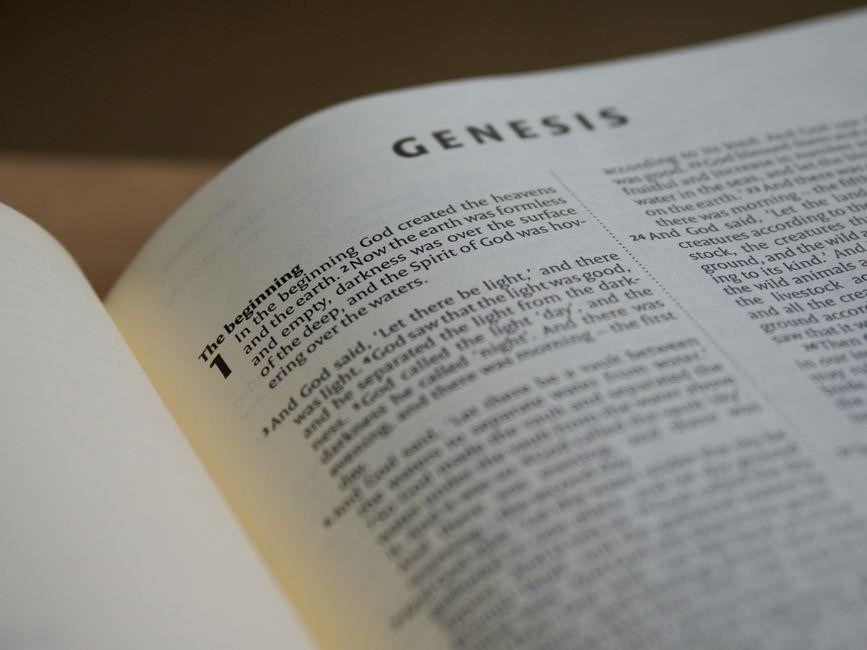
Genesis is traditionally linked to Moses, yet modern scholarship sees it as a composite text formed from multiple sources—Yahwist (J), Elohist (E), Priestly (P), and Deuteronomist (D)—woven together during the Babylonian exile and the post‑exilic period․ The 12‑week study guide by Kim, Mitchell, Packer, Ortlund, and Dennis highlights this layered composition, noting how Priestly sections emphasize ritual and covenant, while Yahwist portions focus on narrative and anthropological detail․ The guide encourages readers to identify these strands through recurring motifs such as the covenant sign, the phrase “I am that I am,” and genealogical frameworks․ By tracing the editorial process, students gain insight into how ancient scribes preserved oral traditions, integrated legal codes, and crafted theological themes that resonate throughout the Hebrew Bible․ The guide’s structured weekly themes—creation, fall, flood, patriarchs—mirror the textual divisions, allowing participants to see how the final redaction reflects both historical context and theological intent․ This approach not only illuminates the book’s literary artistry but also underscores its enduring relevance for faith communities today․ The editorial process also involved harmonizing conflicting accounts—such as the two creation narratives in Genesis 1 and 2—by juxtaposing them to present complementary theological perspectives․ Scholars argue that the Priestly account provides a structured, orderly cosmos, whereas the Yahwist narrative offers a more intimate, anthropocentric view․ The guide invites participants to compare these accounts side by side, noting differences in emphasis on divine names, the order of creation, and the portrayal of humanity․ This comparative study fosters a deeper appreciation of the text’s complexity and the way its authors navigated theological diversity and!

Historical Setting of Genesis
Genesis unfolds against the backdrop of Near Eastern civilization, where the rise and fall of empires—Sumerian, Akkadian, Babylonian, and Persian—shaped the region’s cultural and religious milieu․ Scholars place the final redaction of the book between the 6th and 5th centuries BCE, a period marked by exile, return, and the re‑construction of Jerusalem’s temple․ The text reflects this context through its emphasis on covenant, law, and the centrality of the temple, mirroring the Priestly concern for ritual purity and order․ The narrative’s genealogies trace back to Adam, linking Israel’s lineage to the broader world’s genealogical traditions, while accounts echo Mesopotamian myths, suggesting cultural memory․ The study guide encourages readers to explore how the setting informs themes of divine judgment, covenant fidelity, and hope, inviting reflection on how the Israelites perceived their identity amid political upheaval and religious renewal․ The book’s structure—alternating between universal cosmogony and particular Israelite history—mirrors the dual concerns of the post‑exilic community: preserving identity while engaging culture․ The Priestly section’s focus on ritual, the Yahwist’s anthropological detail, and the Elohist’s emphasis on prophecy together create a tapestry that speaks to era’s theological anxieties․ By examining the context, students can appreciate how the authors used familiar motifs, such as covenant signs and genealogical lists, to assert continuity with the past while offering hope for a restored future and hope and faith! The guide’s weekly format aligns with these themes, prompting participants to consider how the world’s political realities shaped the biblical narrative and how those lessons resonate in contemporary faith practice!

Literary Structure of Genesis
Genesis is divided into six sections: the primeval narrative, patriarchal stories, the covenant, the flood, the Tower of Babel, and Israelite beginnings․ Repetition, parallelism, and chiastic patterns reinforce its theological themes․ in cyclical pattern for readers․
Chapters and Narrative Flow
Genesis unfolds in a deliberate, cyclical architecture that guides readers through seven major narrative arcs․ The first arc (chapters 1–11) introduces the world, humanity’s fall, and the covenantal promise․ The second arc (chapters 12–25) follows Abraham’s call, covenant, and the promise of descendants․ The third arc (chapters 26–36) chronicles Isaac’s family, the covenant’s continuity, and the rise of Jacob․ The fourth arc (chapters 37–50) presents Joseph’s story, the culmination of the covenantal promise, and the establishment of Israel in Egypt․ Each arc is punctuated by key motifs—creation, covenant, promise, and redemption that reinforce the overarching theological narrative․ The structure employs chiastic patterns, parallelism, and repetition to emphasize divine sovereignty and human responsibility․ This design invites readers to trace the development of covenantal themes, witness the unfolding of divine promises, and recognize the continuity between the Old and New Testaments․ The narrative flow is not linear but cyclical, reflecting the biblical view that God’s plan is both progressive and restorative․ By studying Genesis chapter by chapter, readers can discern how each narrative segment contributes to the larger story of redemption and how the book’s literary form mirrors its theological intent․ This layered approach not only contextualizes covenantal promises but also invites readers to see the continuity of God’s redemptive plan from Genesis through the entire biblical narrative, underscoring the unity that binds the Old and New Testaments!
Key Literary Devices
Genesis employs a rich tapestry of literary techniques that deepen its theological message․ The author uses chiastic structures to frame major sections, such as the 1–11 and 12–25 arcs, creating a symmetrical pattern that emphasizes God’s sovereignty․ Parallelism appears in the repeated “to be” verbs that link creation to covenant, while repetition of phrases like “and God said” reinforces divine authority․ Typology is evident in the “seed” motif, foreshadowing Israel’s future․ Imagery—water, fire, and light—conveys spiritual realities․ Symbolic names (e․g․, Abram to Abraham) mark covenantal transformation․ Narrative framing places the story within a larger cosmic context, while dialogue reveals character motives․ These devices work together to guide readers through a coherent theological narrative that links creation, fall, covenant, and redemption․
Lorem ipsum dolor sit amet, consectetur adipiscing elit․ Sed do eiusmod tempor incididunt ut labore et dolore magna aliqua․ Ut enim ad minim veniam, quis nostrud exercitation ullamco laboris nisi ut aliquip ex ea commodo consequat․ Duis aute irure dolor in reprehenderit in voluptate velit esse cillum dolore eu fugiat nulla pariatur․The study guide invites readers to engage deeply with the text, encouraging reflection, discussion, and application of biblical principles in life, thereby fostering growth and a richer understanding of the foundational narrative!

Key Themes and Messages
Genesis reveals creation, fall, covenant, and redemption․ It highlights God’s sovereignty, human responsibility, and the promise of hope․ Through narrative, the guide underscores faith, covenant, and divine grace, inviting readers to apply timeless lessons to modern life․!
Creation, Fall, and Redemption!
Genesis opens with a concise account of the universe’s origin, presenting God as the sovereign architect who brings order from chaos in six days․ The narrative then shifts to the human experience, where Adam and Eve’s disobedience introduces sin, illustrating humanity’s vulnerability and the consequences of turning away from divine intent․ The text continues with the flood, the covenant with Noah, and the Tower of Babel, each episode underscoring themes of judgment, mercy, and the limits of human ambition․ The patriarchal stories of Abraham, Isaac, Jacob, and Joseph further reveal God’s faithfulness and the unfolding of a covenant promise that extends beyond the immediate family to all nations․ By the end of Genesis, the cycle of creation, fall, and redemption is evident: God’s creative act, humanity’s rebellion, and the promise of restoration through a future redeemer․ This foundational framework invites readers to reflect on the continuity of divine purpose, the necessity of obedience, and the hope embedded in God’s covenantal commitment to humanity․ The study guide encourages deeper exploration of these motifs, offering questions, reflections, and cross‑references that illuminate the text’s theological depth and relevance for contemporary faith practice․ Moreover, the guide integrates cross‑referential links to the Pentateuch, encourages group discussion, and provides reflective prompts that help readers connect Genesis’s ancient narrative to contemporary ethical dilemmas, thereby fostering a living faith․
Faith, Covenant, and Promise!

Genesis presents faith as an active trust in God’s word, illustrated by Abraham’s willingness to leave his homeland and sacrifice Isaac when commanded․ The covenant theme is introduced with God’s promise to Abraham, promising land, descendants, and blessing․ This covenant is repeatedly reaffirmed, especially after the covenant sign with Noah following the flood, where God promises never again to destroy the earth with water․ The promise motif is woven throughout the patriarchal narratives, showing God’s commitment to fulfill the covenant through generations․ The study guide encourages readers to examine how faith, covenant, and promise interact: faith triggers covenant participation; covenant offers a framework for promise fulfillment; promise motivates faith․ By reflecting on these interconnections, readers can appreciate the continuity of divine faithfulness and the human responsibility to uphold covenantal commitments․ The guide provides reflective questions, cross‑references, and discussion prompts to deepen understanding of these theological concepts within Genesis and their relevance for contemporary believers․
The guide also invites participants to explore the covenantal language through cross‑referencing key passages such as Genesis 12:1‑3, 15:1‑21, and 17:1‑27, and to reflect on how these promises shape modern faith practice․ It encourages the use of study tools like charts, timelines, and thematic maps to visualize covenant progression․ This reflection deepens the covenant bond, urging believers to act․ The study emphasizes that faith is not merely belief but active participation in God’s covenant, urging believers to live out promises in everyday actions․ Together, these insights foster a living faith community!

Study Resources and Methodology
Explore the 12‑week guide by Kim, Mitchell, Packer, Ortlund, and Dennis, the beginner’s book by Crystal Sparks, and Bliss Books’ chapter‑by‑chapter walkthrough․ Use charts, timelines, and reflective questions to deepen understanding․ Follow the steps for deeper
Recommended Study Guides and Books
For those beginning their journey into Genesis, the “Genesis Study: A Beginners Study Guide into the Book of Genesis” by Crystal Sparks offers a clear, chapter‑by‑chapter walkthrough․ Its concise explanations and practical study questions help readers grasp foundational themes without feeling overwhelmed․ The book is available in print and Kindle, making it accessible for a wide audience․
For a more structured, in‑depth exploration, the “Genesis: A 12‑Week Study (Knowing the Bible)” by Kim, Mitchell, Packer, Ortlund, and Dennis provides a comprehensive curriculum․ Each week focuses on key narrative arcs, theological insights, and reflective prompts, allowing participants to connect Genesis with the broader biblical narrative․ The guide’s emphasis on God’s grace and covenant promises encourages thoughtful application to daily life․
Bliss Books’ “Genesis Study: A Beginners Study Guide into the Book of Genesis” offers a detailed, chapter‑by‑chapter analysis that is particularly useful for new readers․ Its blend of historical context, literary analysis, and devotional reflection helps readers understand the text’s original setting while drawing contemporary relevance․

These resources collectively cover a range of learning styles—from quick reference guides to comprehensive study courses—providing a solid foundation for anyone looking to deepen their understanding of Genesis․
Additionally, many churches and study groups use the Genesis study guide as a foundation for small‑group discussions, encouraging participants to explore the text’s theological depth and practical implications․ The guide’s structured questions and reflective prompts foster dialogue, helping members apply biblical principles to modern life challenges․ By engaging with the text in this way, participants develop a deeper appreciation for the narrative’s relevance to contemporary faith practices, ethical decision‑making, and personal spiritual growth․ It deepens faith․ Now․