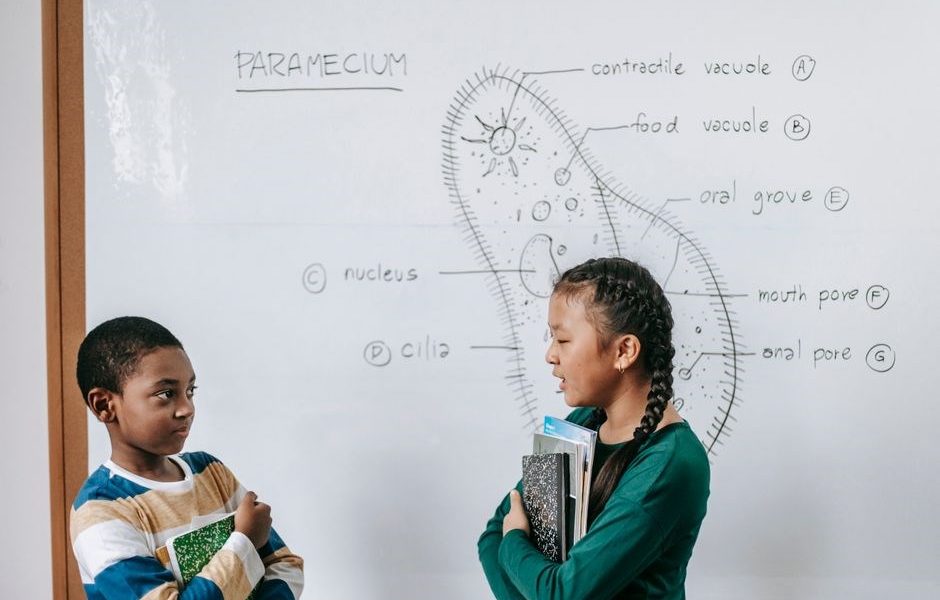
Year 9 science PDFs offer free access to Pearson’s second edition, Cambridge Lower Secondary, NCERT 2026-27, and Grade 9 Perspectives. Resources appear on Internet Archive, AglaSem, and pdfFiller, enabling download, online reading, and interactive filling. Free PDFs enable easy study. For all
Overview of Year 9 Science Curriculum
Year 9 science curricula are designed to build foundational knowledge in biology, chemistry, physics, and earth sciences, while encouraging inquiry, critical thinking, and practical skills. Students explore cellular structure, chemical reactions, energy transfer, and the scientific method through hands‑on experiments, data analysis, and collaborative projects. The curriculum emphasizes real‑world applications, such as environmental stewardship, health and safety, and technological innovation. Assessment strategies include formative quizzes, laboratory reports, group presentations, and reflective journals. Teachers are encouraged to integrate digital tools, virtual simulations, and open‑source resources to enhance engagement and accessibility. Cross‑disciplinary links with mathematics, language arts, and social studies help students contextualize scientific concepts within broader societal and cultural frameworks. The curriculum also addresses global challenges—climate change, sustainability, and resource management—by fostering ethical reasoning and responsible citizenship. By the end of Year 9, learners should be able to formulate hypotheses, design experiments, interpret data, and communicate scientific ideas effectively to diverse audiences. The free PDF versions of key textbooks provide an accessible resource for students, parents educators interactive.!! for all learners and teachers now. !
Pearson Science 9 Second Edition
Pearson Science 9 Second Edition offers a comprehensive, engaging curriculum for Year 9 students. The free PDF, hosted on Internet Archive (ark:/13960/s2hg75kkqgq), includes interactive diagrams, practice questions, and lab activities. Download now for instant study access. And detailed solutions. Here!!! Get it today, fast!Now
Features and Availability
Pearson’s Year 9 Science Second Edition PDF delivers a rich, interactive learning experience that is fully accessible at no cost. The free file, archived on the Internet Archive (ark:/13960/s2hg75kkqgq), is available in high‑resolution PDF format, with embedded hyperlinks that open directly to the relevant sections of the textbook. Each chapter is organized around core scientific themes—matter, energy, ecosystems, and technology—providing concise explanations, real‑world examples, and a series of practice questions that reinforce key concepts. The document includes color‑coded diagrams and step‑by‑step lab instructions, allowing students to visualize processes such as chemical reactions, electrical circuits, and biological cycles. Interactive elements such as fillable forms and clickable quizzes are integrated, enabling learners to test their understanding immediately within the PDF itself. The OCR (tesseract 5.3.0‑3‑g9920) embedded in the file ensures that all text is searchable, making it easy to locate specific topics or keywords. For educators, the textbook offers a “teacher’s guide” section that outlines suggested lesson plans, assessment rubrics, and downloadable worksheets, all of which can be accessed by simply clicking the links embedded in the PDF. Availability: download or stream from Internet Archiveor print In short, Pearson’s Year 9 Science Second Edition PDF is a comprehensive, freely available tool that supports both self‑paced study and structured classroom instruction.
Cambridge Lower Secondary Science Learners Book 9
Cambridge Lower Secondary Science Learners Book 9 offers free PDF access, featuring interactive digital content for Year 9 students. Available via a one‑year digital license, it includes lesson plans, quizzes, and multimedia resources, enabling flexible, engaging learning for schools worldwide. and teachers!!!
Cambridge Lower Secondary Science Learners Book 9 offers a digital license that gives Year 9 students and teachers full access to interactive PDFs, quizzes, and multimedia resources. The license covers all editions and can be used on any device—desktop, tablet, or smartphone—without physical copies. Digital access is managed through Cambridge’s e‑learning platform, where users can log in, download the PDF, view it online, or print selected sections. The license permits unlimited distribution within a single institution, allowing a school to share the book with all Year 9 science classes. However, sharing the PDF beyond the institution or on public file‑sharing sites is prohibited. Teachers can create custom worksheets by extracting pages, which can be filled electronically or printed. The format supports accessibility features such as screen‑reader compatibility, adjustable font sizes, and high‑contrast modes, making it inclusive for diverse learners. By opting for the digital license, schools save on printing costs, receive instant content updates, and can track student engagement through embedded analytics. The Cambridge Lower Secondary Science Learners Book 9 digital package is a comprehensive, cost‑effective solution that enhances learning while ensuring compliance with copyright and licensing regulations. Students can also download the PDF to their devices for offline study, and teachers can annotate pages directly within the file for collaborative learning and share us!

NCERT Class 9 Science (2026‑27)
NCERT Class 9 Science (2026‑27) is freely available as a PDF on AglaSem and other open‑access sites. The updated edition covers new curriculum standards, interactive diagrams, and practice questions. Students can download, read online, or print for offline study. Downloadable teacher‑approved
Open Educational Resources and Download Options
NCERT Class 9 Science (2026‑27) is released under a public domain license, allowing unrestricted sharing and adaptation. The official PDF can be downloaded directly from the NCERT website, AglaSem, and other open‑access repositories. Each file is available in high‑resolution PDF, ensuring clarity of diagrams and tables. The AglaSem platform offers a convenient “Download PDF” button, while the NCERT portal provides a “View Online” option that opens the book in a browser‑based viewer. For educators seeking to incorporate the material into lesson plans, the PDF can be printed or converted to e‑book formats such as EPUB or MOBI using free tools like Calibre. Additionally, the open‑source community hosts the book on GitHub, where contributors can submit updates or translations. All these sources comply with copyright law, as the NCERT text is in the public domain in India. Students can also access the PDF through library‑management systems that provide digital lending, enabling temporary downloads for a set period. The open‑access nature of the resource means that no subscription or payment is required, making it ideal for schools with limited budgets. Finally, the PDF is compatible with screen‑reader software, supporting accessibility for visually impaired learners. By leveraging these multiple download options, teachers and students can easily obtain the textbook, share it within their networks, and adapt it to suit diverse learning environments. These resources empower students to explore science beyond the classroom.!

Pearson Year 9 Science Textbook Fillable PDF
Pearson Year 9 Science offers a fully fillable PDF that lets students annotate, answer questions, and submit work digitally. Available through pdfFiller, the file is free to download, print, or edit online, supporting interactive learning and instant feedback. Students can export answers to share!!
Interactive Learning Benefits
Students engaging with a fillable Year 9 science PDF experience a dynamic learning environment that blends traditional textbook content with interactive features. The ability to annotate directly on the page, highlight key concepts, and insert handwritten or typed responses encourages active reading and immediate reflection. Teachers can assign specific sections, embed quizzes, and track student progress in real time, providing instant feedback that reinforces understanding. Because the document is fully editable, learners can experiment with different problem‑solving approaches, compare alternative solutions, and see the impact of their choices without the need for separate worksheets. This seamless integration reduces paper waste, supports digital literacy, and aligns with modern classroom technology standards. Furthermore, the fillable format allows for collaborative study groups: multiple students can work on the same file, comment on each other’s notes, and collectively build a shared knowledge base. The PDF’s compatibility with screen readers and accessibility tools ensures that all students, including those with visual or motor impairments, can participate fully. By incorporating multimedia links, embedded videos, and interactive diagrams, the resource transcends static text, making abstract scientific principles tangible and memorable. The instant export feature lets students save completed assignments in PDF or Word format, workflows. Overall, the interactive learning benef

Grade 9 Science Perspectives PDF
The Grade 9 Science Perspectives PDF offers free access via Internet Archive, featuring Nelson’s comprehensive curriculum. Students can download, read online, and use interactive tools for experiments and quizzes. It supports diverse learning styles and promotes self‑paced study for teachers. and!
Content Scope and Teaching Resources
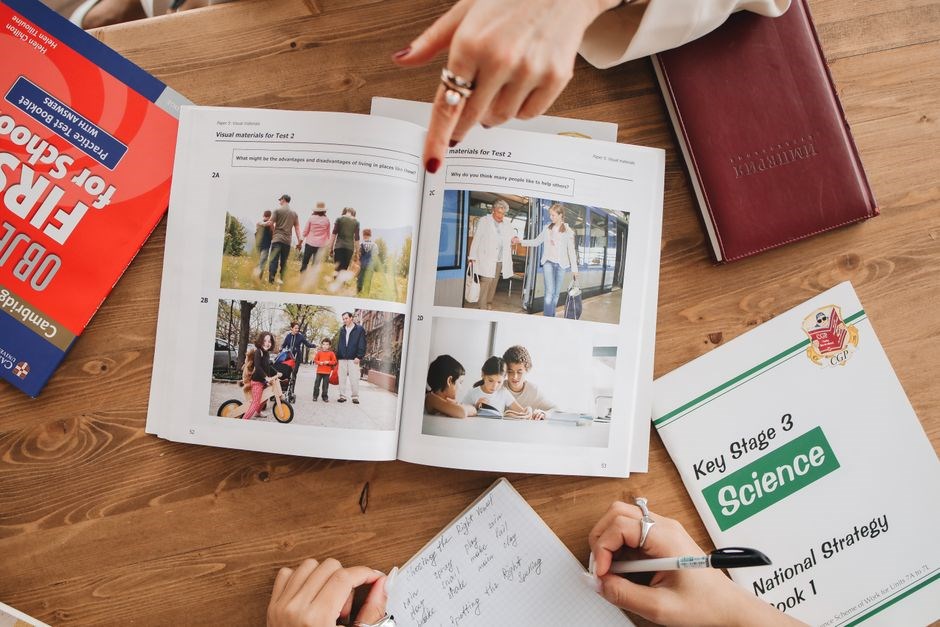
Grade 9 Science Perspectives PDF delivers a complete, curriculum‑aligned syllabus covering physical, biological, and earth sciences. The free resource includes units on motion, energy, ecosystems, and the scientific method, each paired with objectives, key concepts, and assessment rubrics. Teachers can download the PDF from Internet Archive, enabling offline use and classroom distribution. The book offers lesson plans, lab activity guides, and interactive worksheets that can be printed or filled electronically. Supplementary materials such as concept maps, diagram templates, and data‑analysis worksheets are embedded within the PDF, allowing students to practice critical thinking and scientific inquiry. The resource also contains a teacher’s guide with suggested pacing, differentiation strategies, and alignment to national standards. By providing open‑access content, educators can adapt lessons to local contexts, integrate cross‑disciplinary projects, and support diverse learners without incurring licensing fees. The PDF format ensures compatibility with most devices, while the fillable sections encourage active engagement and formative assessment. Overall, the Grade 9 Science Perspectives PDF offers a robust, cost‑effective toolkit for delivering engaging, standards‑based science instruction. Its open‑source nature promotes equitable access, ensuring that students from all backgrounds can engage with high‑quality science education without financial barriers. Educators can also integrate multimedia resources, such as video demonstrations and virtual labs, directly linked within the PDF, further enriching the learning experience. Students can annotate directly.

Legal and Ethical Considerations
Copyright laws protect textbook PDFs; free versions must be licensed or public domain. Ethical use requires citing sources, respecting author rights, and avoiding distribution of unapproved copies. Educators should verify legality before sharing. All usage must follow local rules and school policy!!!!!!!

Copyright and Fair Use Guidelines
Year 9 science PDFs are widely shared, but copyright rules still apply. Most textbooks are protected for at least 70 years after the author’s death, and free copies are only legal if the publisher has released them under a Creative Commons licence or the text is in the public domain. The Internet Archive lists Pearson Science 9 Second Edition as a scanned copy; its availability does not automatically grant redistribution rights. Cambridge Lower Secondary and NCERT 2026‑27 provide download links that are authorised by the publishers, but using the files for commercial or large‑scale distribution without permission breaches the terms of service. Fair use permits limited copying for education, criticism, or research, but it is a narrow exception. In a classroom, a teacher may reproduce short excerpts (generally less than 10 % of the work) for teaching purposes, provided the source is cited and the material is not used for profit. Downloading an entire textbook for personal use is usually not covered by fair use. It is best to check the copyright notice on each PDF, look for Creative Commons tags, and, if necessary, request permission from the publisher. Non‑compliance can lead to legal action, loss of access, or account suspension on platforms such as pdfFiller or AglaSem. Always verify licensing status before sharing or printing any portion of the material. Students should also consult their school library for official copies.
How to Download and Use Free PDFs Safely
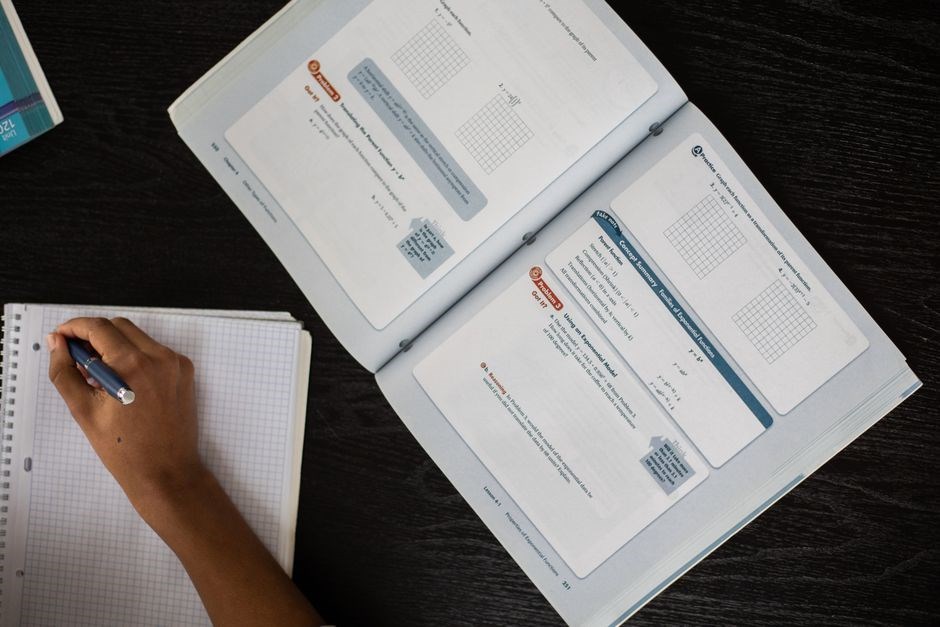
Download Year 9 science PDFs from trusted sites like Internet Archive, AglaSem, or pdfFiller. Verify the source, scan for malware, use a reputable antivirus, and avoid sites that ask for payment for free content. Store files in a secure folder and keep backups. Always keep a backup copy on cloud storage
Trusted Sources and Security Tips
When hunting for free Year 9 science textbook PDFs, the safest approach is to rely on well‑known repositories that have a history of hosting educational material. The Internet Archive, for example, lists Pearson Science 9 Second Edition (added 2023‑03‑12) with a stable identifier and an OCR that can be verified against the original. AglaSem hosts the NCERT Class 9 Science 2026‑27 edition, offering a direct PDF download that is marked as “completely free to read online.” For interactive fillable versions, pdfFiller supplies a printable, fillable PDF of the Pearson Year 9 Science textbook, and the site claims to keep files safe from malware. Always confirm that the URL ends with .org, .edu, or a recognized domain; avoid sites that ask for credit‑card details for a “free” download. Before opening any file, run a quick antivirus scan or use an online virus‑scanning service such as VirusTotal. Keep your operating system and security software up to date, and consider downloading files over a secure HTTPS connection. Finally, store the PDFs in a dedicated folder on your computer or in a cloud service with two‑factor authentication, and keep a backup copy on an external drive. By following these steps, you can enjoy Year 9 science content without compromising your device or personal data. These resources are typically under Creative Commons or pub domain licenses; a doublecheck the license page for a usage restrictions! If you see a PDF asking for a download key, it’s phishing should be avoided.